Why horse archery
worked.
The power of a mounted archer came from the interaction of several technologies and skills. Remove the horse, the bow, the rider’s balance, or the tactical organization, and the system changes completely.
The traditional bow
Traditional bows vary in materials, shape, and length. A shorter bow could be easier to maneuver around a horse and during a turn of the torso.
The long, asymmetrical yumi used in Japanese yabusame shows that a short bow was not a universal requirement.
Not just “shooting while riding”
Because the platform itself is moving, the rider must manage timing, release, torso rotation, and the horse’s stride. Accuracy depends on separating upper-body shooting from lower-body riding control.
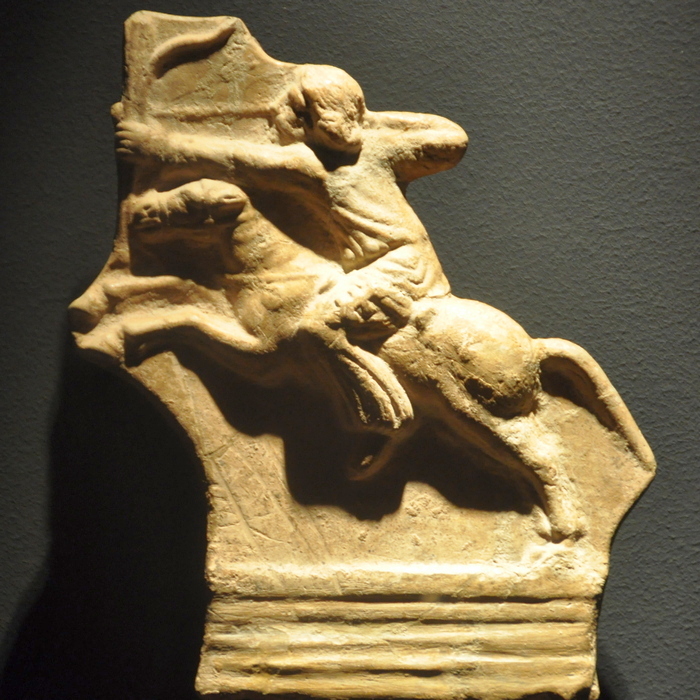
The retreat that can still shoot
Mounted archery changes the meaning of retreat: moving away does not necessarily mean leaving the fight. A withdrawing force can still shoot, draw an opponent into pursuit, and turn back.
Why the stirrup is not the whole story
The stirrup improved stability and became important in many later cavalry systems, but early mounted archers such as the Scythians were already effective before the metal stirrup became widespread. Skilled riders could control horses with seat, legs, saddles, and long practice.
Horse archery therefore cannot be reduced to a single invention. Its history is a stack of improvements: breeding and horse culture, saddles, bridles, bow construction, quiver systems, riding posture, training, and military organization.