
Why horseback archery
worked.
A mounted archer was not an archer who happened to be on a horse. The bow, the horse, and the way riders were trained and organized had to be built around each other.
The traditional bow
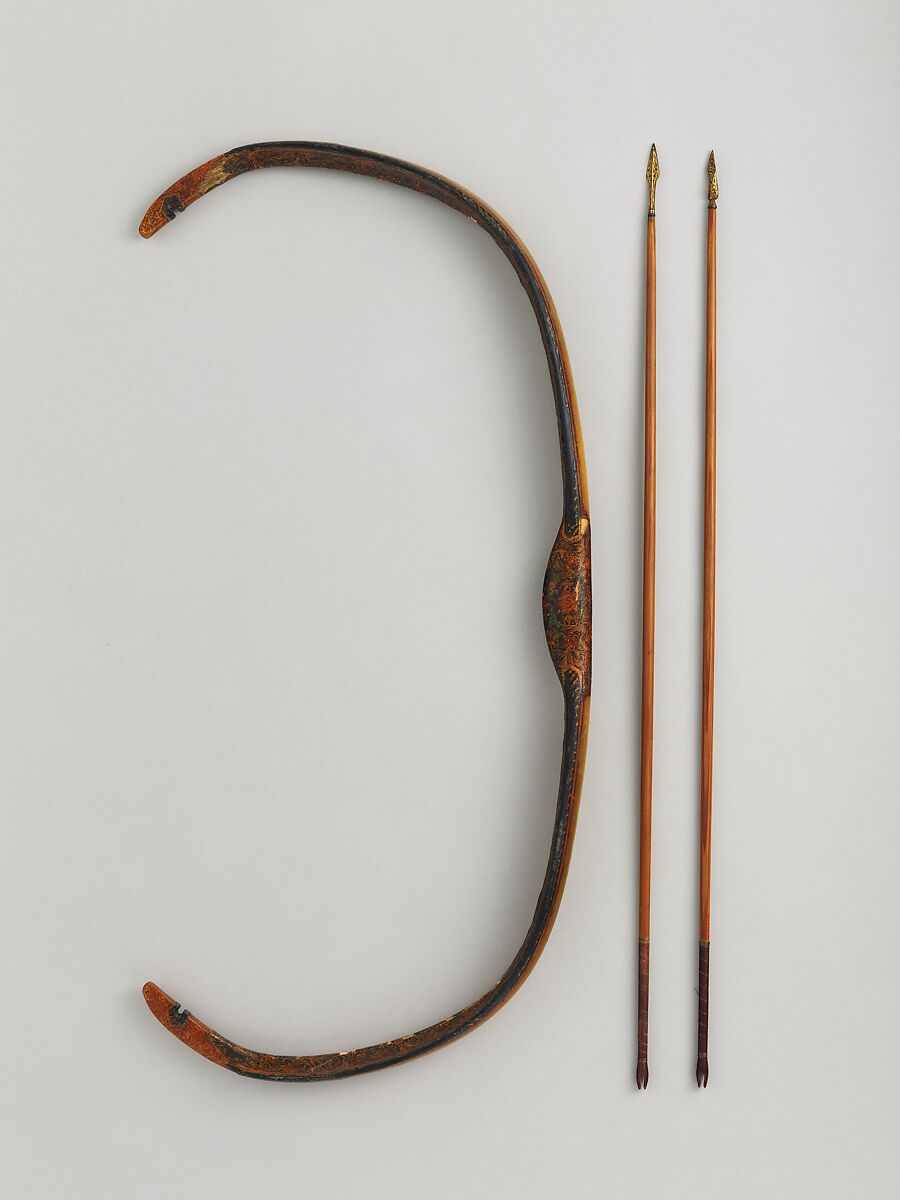
Shorter traditional bows could be easier to maneuver around a horse, although the long, asymmetrical yumi used in Japanese yabusame shows that a short bow was not a universal requirement.
Not just “shooting while riding”
The rider must time the release as the horse strides and turn the torso without losing riding balance.
The horse is not transportation to the firing position. The horse is the firing position.
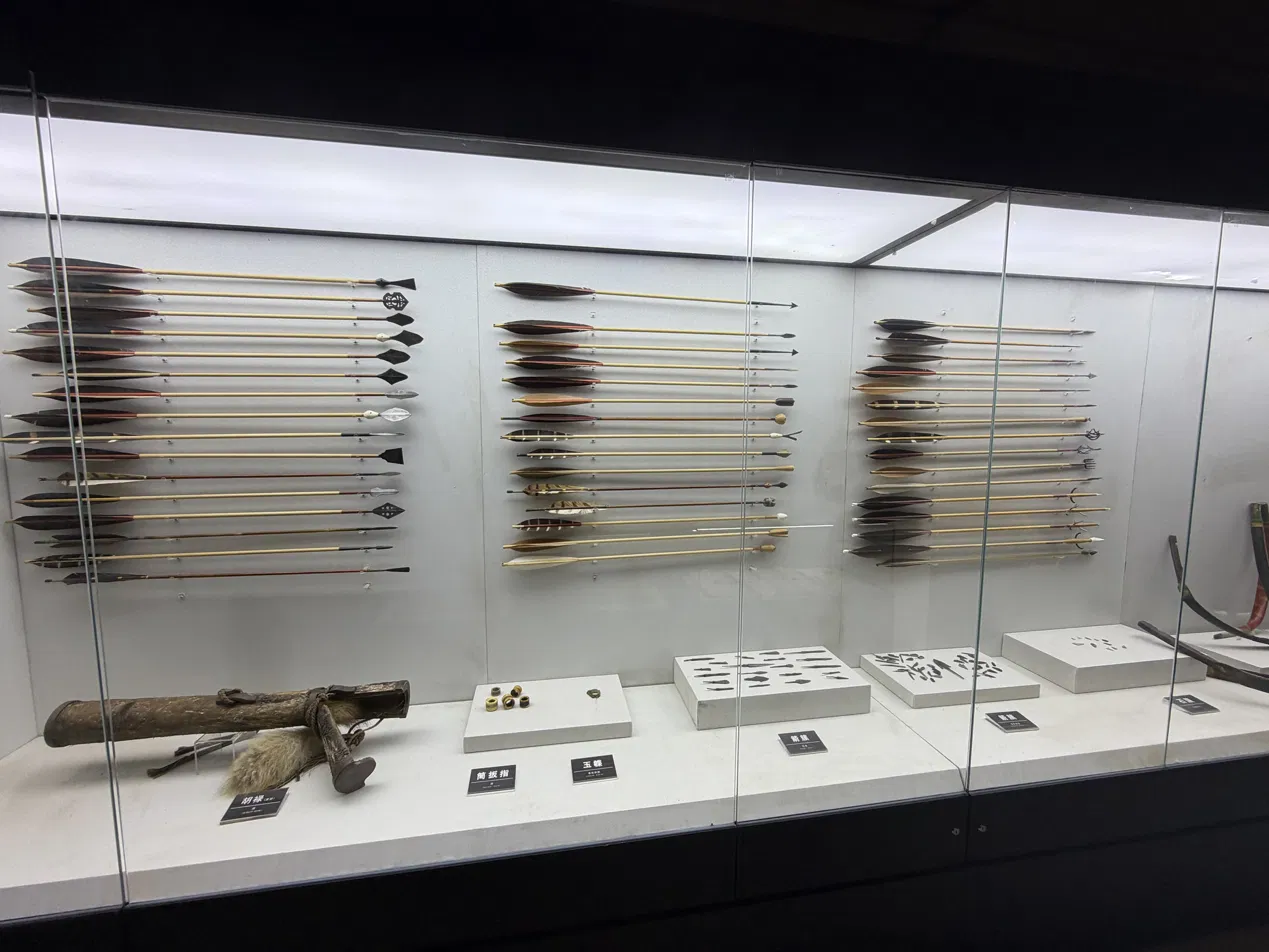
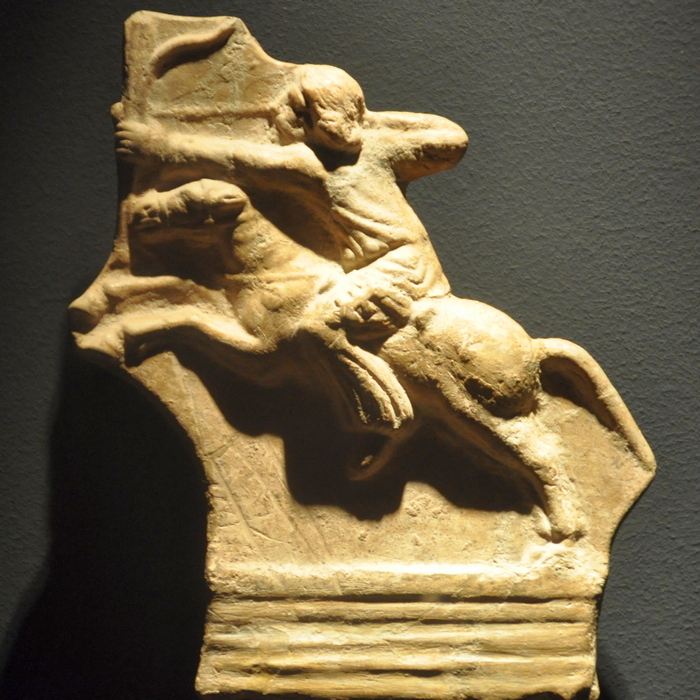
The retreat that can still shoot
Mounted archery changes the meaning of retreat: moving away does not necessarily mean leaving the fight. A withdrawing force can still shoot, draw an opponent into pursuit, and turn back.
Why the stirrup is not the whole story
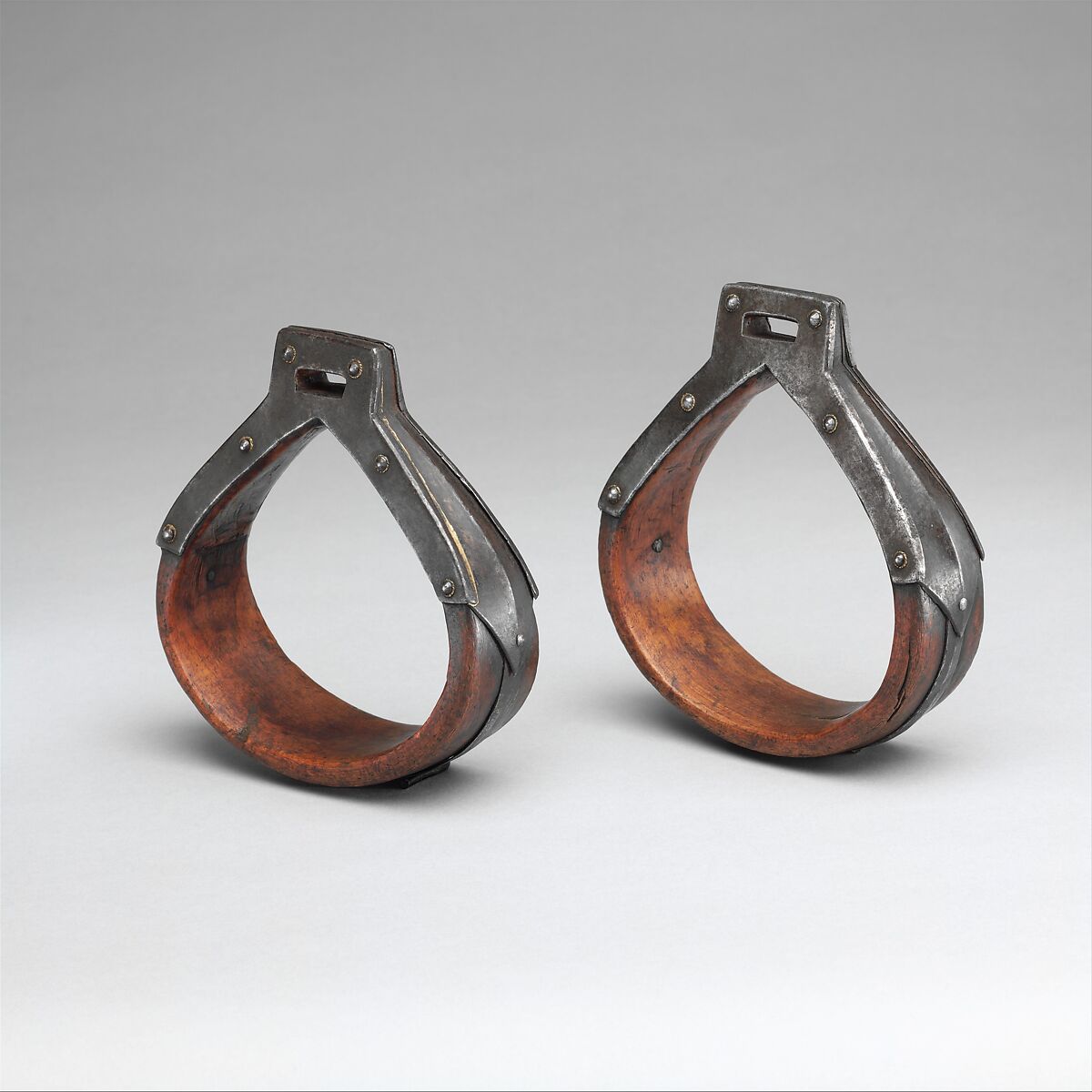
The stirrup improved stability, but Scythian mounted archers were already effective before metal stirrups became widespread. Skilled riders controlled their horses through the seat and legs, supported by saddles and long practice.
Horseback archery cannot be reduced to a single invention. Its history is a stack of smaller improvements — in horses and saddles, bow design, and training — none of which works alone.